Navigating Trade Tensions: Taiwan's Approach to U.S. Tariffs and Geopolitical Challenges
Read Navigating Trade Tensions: Taiwan's Approach to U.S. Tariffs and Geopolitical Challenges on WALY Radio
Navigating Trade Tensions: Taiwan's Approach to U.S. Tariffs and Geopolitical Challenges
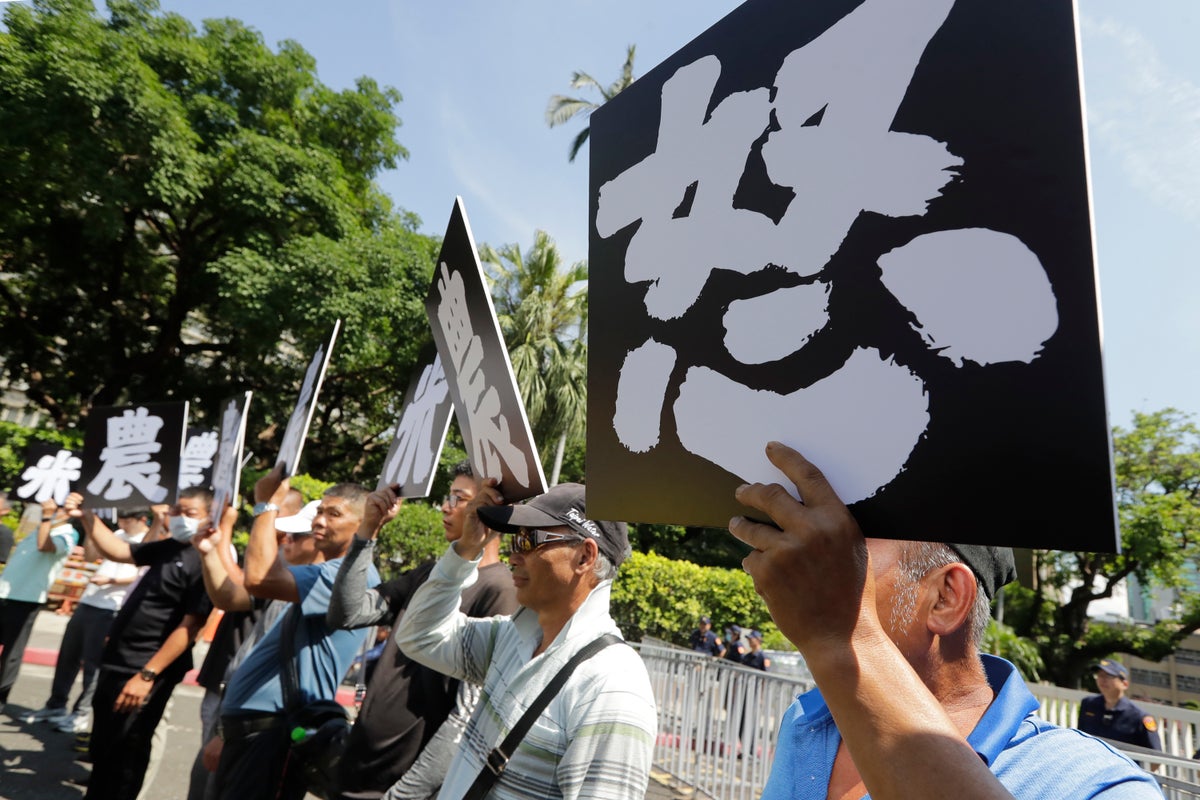 [!CDATA[The president of Taiwan expressed optimism about the trade tensions between the United States and Taiwan, referring to them as "frictions between friends." President Donald Trump initially imposed 32% tariffs on all imports from Taiwan, which were later reduced to 10% for 90 days to facilitate trade negotiations. Talks between officials from both sides took place in Taipei, with more discussions scheduled in the near future. In a speech marking his first year in office, President Lai Ching-te emphasized Taiwan's strategies to mitigate the impact of U.S. tariffs and military threats from China. He highlighted the longstanding cooperation between the U.S. and Taiwan, stating that differences can be resolved through trust and dialogue. Taiwan relies on the U.S. as a key ally in the face of China's military threats. President Lai reiterated Taiwan's commitment to enhancing its national defense capabilities and working closely with allies to maintain peace and deter conflict. He also expressed openness to engaging in exchanges and cooperation with China, emphasizing mutual respect and dignity. Taiwan's economy is driven by semiconductor companies that supply microchips globally, along with other electronics and green technology manufacturers. President Lai aims to attract foreign investment to Taiwan, citing Nvidia's recent announcement of opening a new office in Taipei and plans to build an artificial intelligence supercomputer on the island in collaboration with TSMC, Foxconn, and the Taiwanese government. Despite tensions, Taiwanese firms have shown willingness to invest in the U.S. In response to tariff threats, TSMC pledged a significant investment in the U.S. President Lai's proposal to eliminate tariffs on U.S. goods based on reciprocity and increase procurement of American products faced opposition from Taiwanese farmers, leading to protests. In conclusion, President Lai's remarks reflect Taiwan's efforts to navigate trade tensions with the U.S. and geopolitical challenges with China while fostering economic growth and international partnerships. The commitment to dialogue, cooperation, and defense preparedness underscores Taiwan's determination to maintain stability and peace in the region.]]