"Elephant Conservation and Railway Safety: Addressing the Tragic Train Collision in Sri Lanka"
Read "Elephant Conservation and Railway Safety: Addressing the Tragic Train Collision in Sri Lanka" on WALY Radio
"Elephant Conservation and Railway Safety: Addressing the Tragic Train Collision in Sri Lanka"
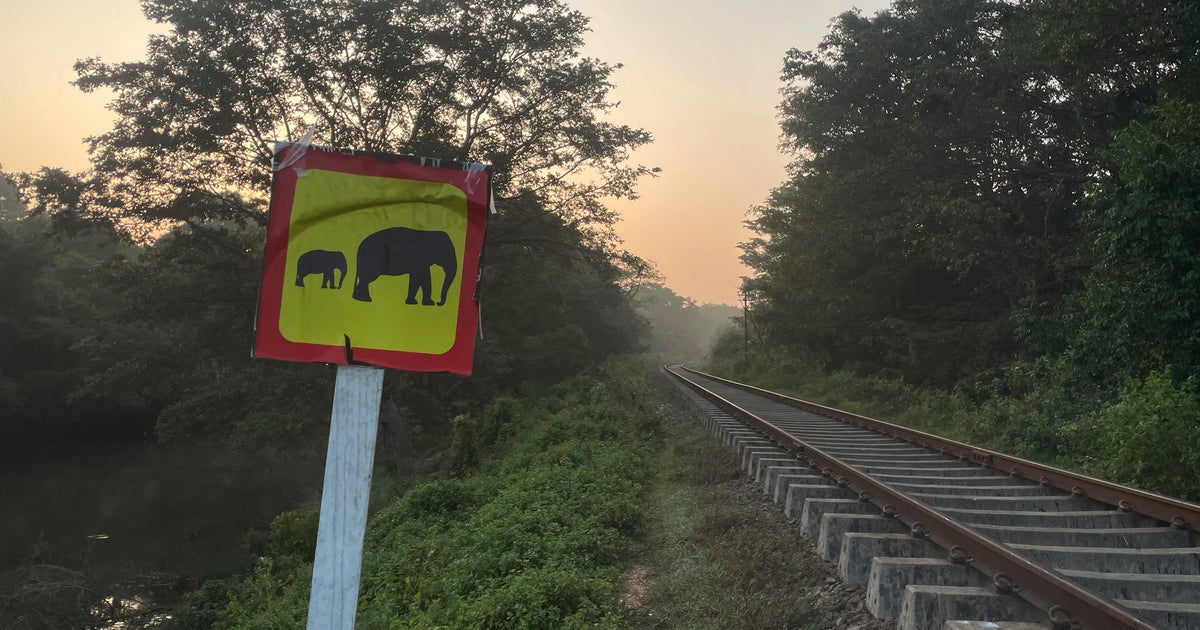 [!CDATA[A tragic incident occurred in Sri Lanka as an express train collided with and killed a young wild elephant near Habarana, leading to the derailment of the train. This unfortunate event took place despite safety measures implemented following a previous wildlife railway accident on the same route. Fortunately, no passengers were harmed in the accident, which happened east of Colombo. An investigation is underway, and efforts are being made to restore the train to its tracks. In response to the rising number of elephant deaths caused by train collisions, authorities have introduced speed limits for trains passing through elephant habitats. Over the past 17 years, 139 elephants have lost their lives in such accidents. The human-elephant conflict in Sri Lanka has also resulted in the deaths of 1,195 people and 3,484 elephants in the last decade. The country's wild elephant population, estimated at 7,000, is considered a national treasure due to its cultural significance in Buddhism. Despite the legal protection of elephants in Sri Lanka, the killings persist as farmers struggle with elephants damaging their crops and livelihoods. Various cruel methods, such as electrocution, shooting, poisoning, and using explosive-laden fruits, are employed to harm these majestic animals. India, with a larger wild elephant population, also faces challenges with train-elephant collisions, resulting in about 200 elephant deaths from train accidents in the past decade. Efforts to address the issue include limiting train speeds in elephant corridors, although enforcement of these measures is often inadequate. In Tamil Nadu, India, a state-of-the-art surveillance system utilizing artificial intelligence and machine learning has been implemented to prevent elephant deaths on railways. The need for enhanced conservation efforts and stricter enforcement of regulations remains crucial to protect both elephants and humans in these regions.]]