"Donald Trump's Bold Statements and Election Denialism: A Look at His Motivations and Actions"
Read "Donald Trump's Bold Statements and Election Denialism: A Look at His Motivations and Actions" on WALY Radio
"Donald Trump's Bold Statements and Election Denialism: A Look at His Motivations and Actions"
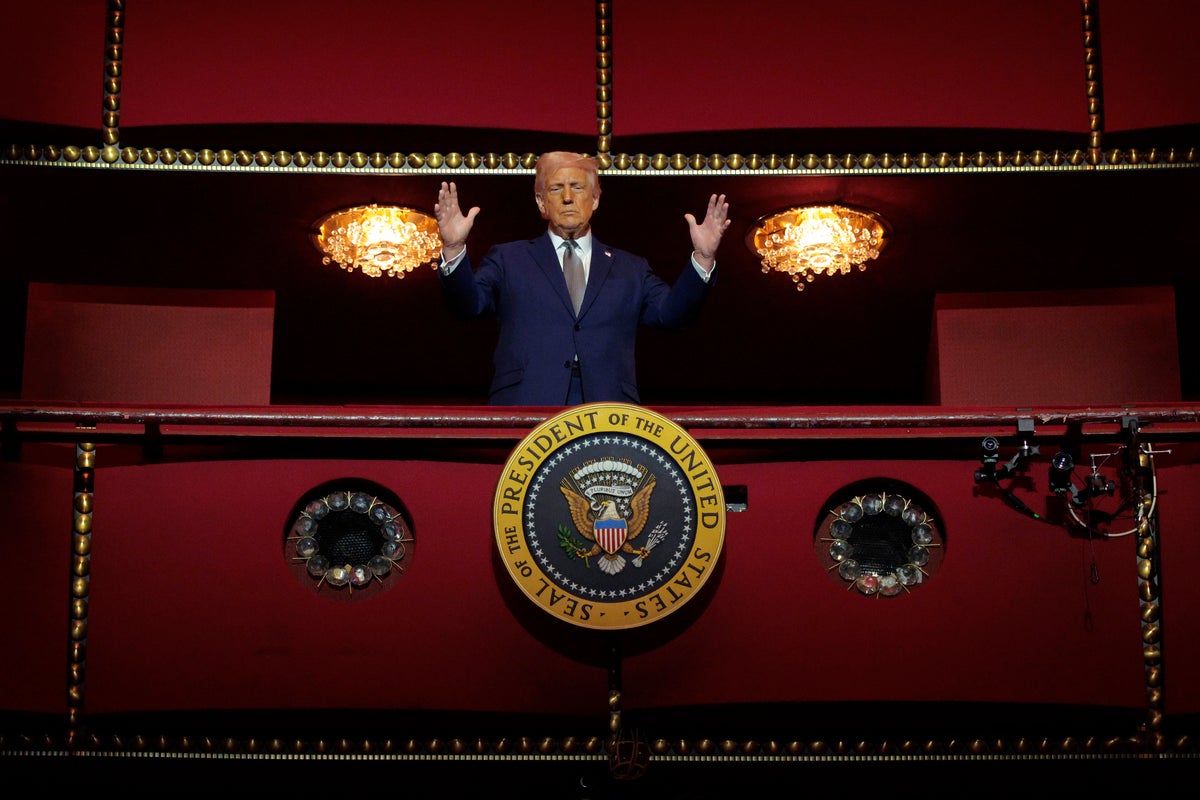 [!CDATA[Donald Trump made a bold statement during a dinner at the Kennedy Center, where he serves as the board's chair, expressing his motivation to run for president again to prove a point. He criticized the center's condition and the money spent on its facilities, questioning where the funds were allocated. Trump boasted about securing the 2028 Summer Olympics and the 2026 FIFA World Cup during his first term, claiming personal credit for these achievements. He lamented that he wouldn't receive recognition for these accomplishments and decided to run for president again to show up his political opponents. Trump delved into election conspiracy theories, alleging that the 2020 election was rigged and stolen from him. He expressed frustration over his loss to Joe Biden and the subsequent events that led him back to office. Despite his efforts to overturn the election results, Trump found himself in a position to brag about securing major international sports events. He blamed his extended presidency on the alleged election fraud and the actions of his opponents. Upon returning to the White House, Trump and his allies have continued to push the narrative of election denialism. He granted clemency to individuals involved in the Capitol riots and ordered an investigation into a former cybersecurity official who refuted his claims of voter fraud. Meanwhile, Oklahoma's new social studies curriculum includes teaching students to identify discrepancies in the 2020 election results, perpetuating election denialism as factual information. In conclusion, Donald Trump's remarks at the Kennedy Center dinner shed light on his motivations for seeking re-election and his ongoing efforts to challenge the legitimacy of the 2020 election. His focus on securing major sporting events and his frustration over not receiving credit for these achievements underscore his determination to prove his detractors wrong. The persistence of election denialism in political discourse and educational settings reflects the enduring impact of the 2020 election on American politics.]]