"Deportation Case of Venezuelan National 'Cristian' Heads to Supreme Court: Legal Analysis and Implications"
Read "Deportation Case of Venezuelan National 'Cristian' Heads to Supreme Court: Legal Analysis and Implications" on WALY Radio
"Deportation Case of Venezuelan National 'Cristian' Heads to Supreme Court: Legal Analysis and Implications"
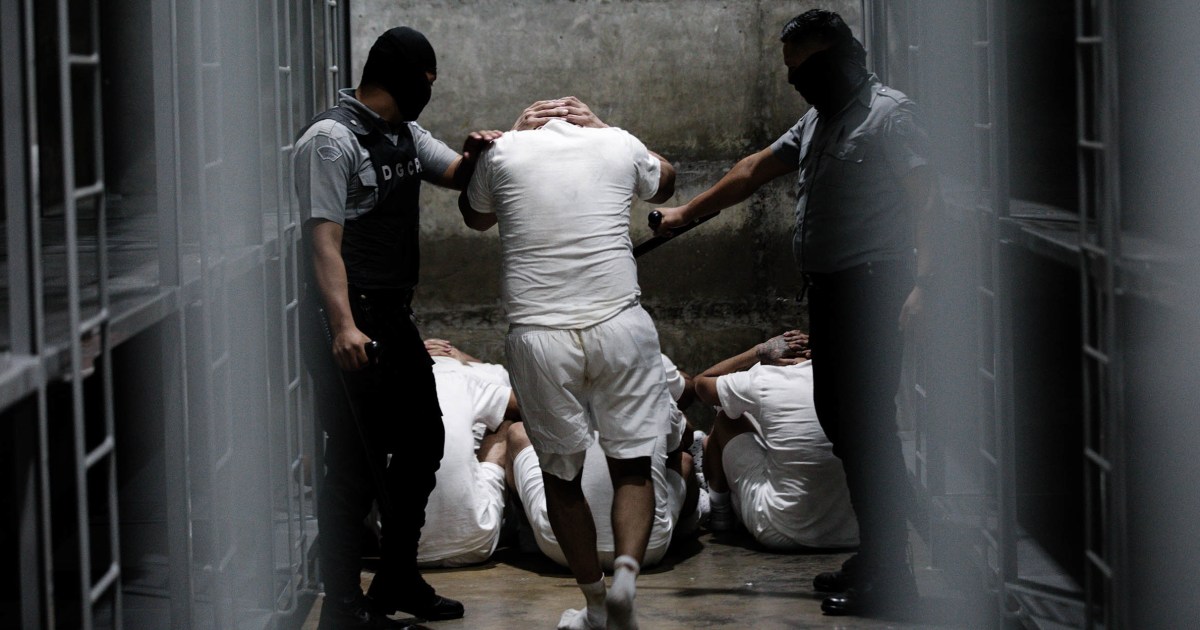 [!CDATA[Is another case of wrongful deportation heading to the Supreme Court? A recent ruling from the U.S. Court of Appeals for the 4th Circuit rejected the Trump administration's attempt to overturn an order to facilitate the return of a Venezuelan national, known as "Cristian," from El Salvador. Cristian was part of a class action lawsuit involving individuals who came to the U.S. as unaccompanied minors and later sought asylum. Despite a settlement in the case, the government deported Cristian to El Salvador before his asylum application was decided, leading to a court order for his return. The appellate panel's decision split 2-1, with a Trump appointee dissenting. The government argued that Trump's invocation of the Alien Enemies Act justified the deportation of alleged Venezuelan gang members, including Cristian. However, the majority of the panel disagreed, citing a previous case involving Kilmar Abrego Garcia, where a judge ordered the facilitation of his return. The government's attempt to show that Cristian would lose his asylum claim was met with skepticism, as the decision was made shortly after the court ordered his return. Judge Roger Gregory, in a separate opinion, criticized Trump's use of the Alien Enemies Act to void contractual obligations of the federal government. The legality of Trump's invocation of the act has been questioned by numerous judges, with Gregory adding to the chorus of those deeming it invalid. Despite the 4th Circuit ruling not directly addressing the legality of the invocation, Gregory's opinion strengthens the argument against its use. Judge Julius Richardson, a Trump appointee, dissented from the 4th Circuit panel's decision, arguing that directing diplomatic negotiations to the Executive Branch was not within the court's purview. If the case proceeds to the Supreme Court, Richardson's dissent may feature prominently in the government's application for emergency relief. The ongoing legal battle highlights the complexities of immigration law and the challenges faced by individuals seeking asylum in the U.S. In conclusion, the case of Cristian and the government's attempt to deport him despite pending asylum claims underscores the importance of judicial oversight in immigration matters. The conflicting interpretations of the Alien Enemies Act and the role of the Executive Branch in deportation cases raise significant legal questions that may ultimately be decided by the Supreme Court. Stay informed on the latest legal developments by subscribing to the Deadline: Legal Newsletter for expert analysis on key legal issues.]]