"Congressional Battle Over California's 2035 Gas-Powered Car Ban: Implications and Challenges"
Read "Congressional Battle Over California's 2035 Gas-Powered Car Ban: Implications and Challenges" on WALY Radio
"Congressional Battle Over California's 2035 Gas-Powered Car Ban: Implications and Challenges"
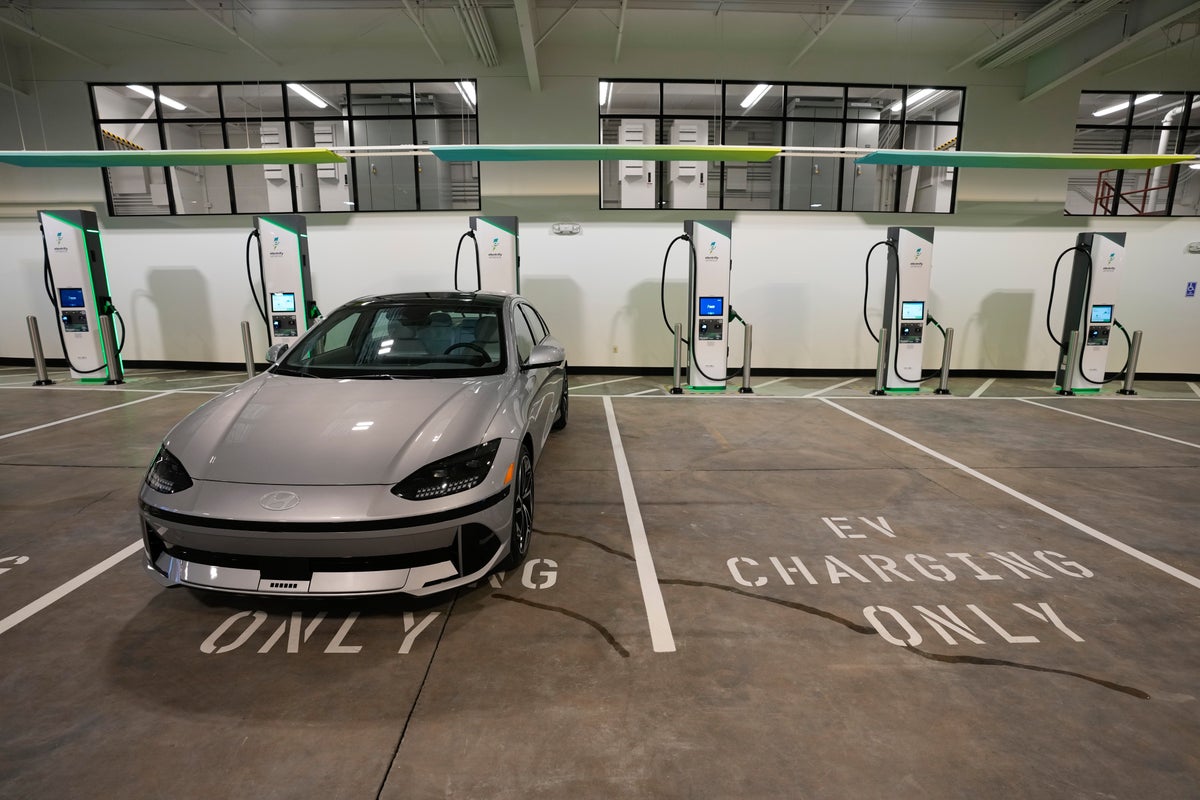 [!CDATA[Congress is considering blocking California's plan to ban the sale of new gas-powered cars by 2035, which is the first of its kind in the nation. The Senate is expected to vote on this issue soon, as the Trump administration supports fossil fuels. California, being a significant player in the car market, aims to shape purchasing trends and reduce planet-warming emissions. The Republican-controlled Congress is targeting California's waivers that set stricter emissions rules than the federal government, claiming they endanger consumers, the economy, and the nation's energy supply. California Governor Gavin Newsom and state air regulators are prepared to challenge this move legally if necessary. California has the authority to set its own emissions standards due to waivers granted by the Environmental Protection Agency, allowing the state to adopt stricter rules. These waivers date back to the 1960s and 1970s when efforts were made to combat smog in Los Angeles. President Trump revoked California's ability to enforce its standards, but President Biden's administration reinstated it in 2022. Governor Newsom announced plans in 2020 to ban the sale of new gas-powered cars by 2035, with state air regulators formalizing the rules in 2022. The regulation requires automakers to increase the sale of zero-emission vehicles over the next decade, with electric vehicles accounting for 43% of new sales by 2027, 68% by 2030, and 100% by 2035. California also passed a rule in 2020 to phase out the sale of medium- and heavy-duty diesel vehicles by 2035. Other states like New York, Colorado, and New Mexico have expressed interest in adopting similar policies. The auto and trucking industries have mixed responses to California's regulations. Some automakers have agreed to follow certain emission standards set by California, but compliance with the 2035 mandate on gas-powered cars remains uncertain. The National Automobile Dealers Association supports Congress's intervention, while the Safe Roads Coalition opposes the medium- and heavy-duty truck rule, citing feasibility concerns. Critics, including Senate Majority Leader Thune, question whether the nation's grid can handle California's transition to electric vehicles. California is working on expanding its electric grid and charging infrastructure to support the increased demand for electric vehicles. However, the state still needs significant growth in charging infrastructure to meet the transition goals. Other states have adopted California's plan to phase out gas-powered cars, but some are reconsidering their commitments due to feasibility concerns. In conclusion, the debate over California's plan to ban the sale of new gas-powered cars by 2035 is intensifying as Congress considers intervening. California's ambitious goals to transition to electric vehicles face opposition from critics who question the feasibility of the plan. The outcome of the Senate vote will have significant implications for California's efforts to reduce emissions and shape the future of the automotive industry.]]