"China's Continued Control Over Rare Earth Exports: Implications for Global Trade"
Read "China's Continued Control Over Rare Earth Exports: Implications for Global Trade" on WALY Radio
"China's Continued Control Over Rare Earth Exports: Implications for Global Trade"
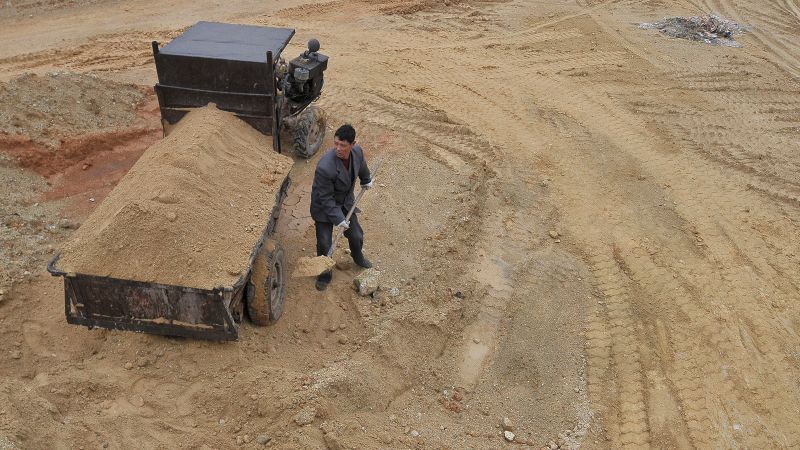 [!CDATA[China has maintained control over its rare earth exports despite the 90-day truce in the trade war with the US. The trade agreement did not specify whether China's promise to suspend or remove non-tariff countermeasures included the export controls on rare earth minerals. These minerals are crucial components in various products, from smartphones to military equipment, and China dominates their supply. US trade representative Jamieson Greer indicated that China had agreed to lift its export restrictions on rare earths as part of the truce. However, experts and industry insiders suggest that China is actually strengthening the implementation of its export control regime. The system requires government approval for each shipment, causing delays and concerns among American industries. China's export licensing regime for rare earth minerals is likely to remain in place for a long time, allowing Beijing to retain leverage in future trade negotiations with the US. The system gives China the power to decide which companies or countries can access its rare earth minerals and magnets at any given time. Following the trade talks in Geneva, China removed some US firms from its export control list but made no mention of changes to the export controls on rare earth minerals. Instead, Chinese authorities cracked down on the smuggling of critical minerals, including rare earth elements, to prevent illegal outflows and strengthen oversight across the production and supply chain. China has started issuing export permits for rare earth magnets under a new licensing system, indicating that the restrictions are still in place. The permits are granted on a one batch, one license basis, requiring a new permit for each shipment. This system provides China with visibility into where the rare earth magnets end up. China's control over rare earth minerals has been a geopolitical weapon, with past instances of leveraging its dominance in the industry for strategic purposes. By maintaining export controls and licensing requirements, China can continue to exert influence over global supply chains and maintain leverage in trade negotiations. In conclusion, China's control over rare earth exports remains intact despite the trade truce with the US. The export licensing regime for rare earth minerals is likely to stay in place, allowing China to retain leverage in future trade talks and maintain visibility into the supply chain. This control over critical minerals serves as a powerful geopolitical tool for China in the midst of intensifying strategic rivalry with the US.]]